nderstanding the Performance Characteristics of Hydraulic Cylinders
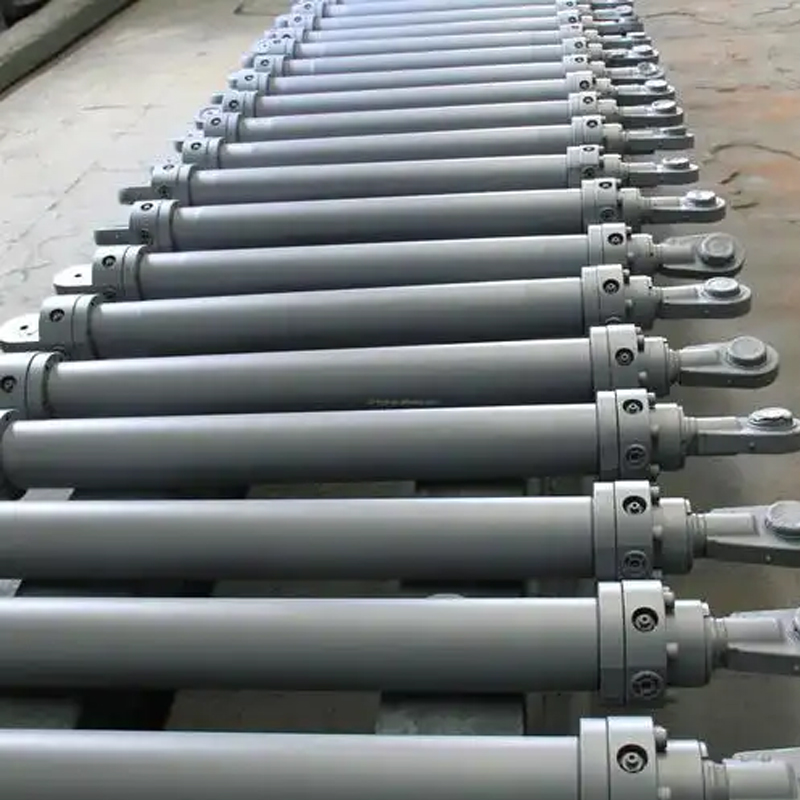
Hydraulic cylinders are essential components in hydraulic systems, widely used in construction machinery, industrial automation, marine equipment, and heavy-duty manufacturing. Their ability to convert hydraulic energy into linear mechanical motion makes them a critical part of modern industrial operations.
Understanding the performance characteristics of hydraulic cylinders helps engineers and equipment buyers select suitable products, improve operational efficiency, and ensure long-term system reliability.
1. High Load Capacity and Strong Output Force
One of the most significant advantages of hydraulic cylinders is their ability to generate large output forces within a compact structure. By utilizing hydraulic pressure, cylinders can easily handle heavy loads and demanding working conditions.
Compared with mechanical or electric drive systems, hydraulic cylinders offer:
- Higher force-to-size ratio
- Stable performance under heavy loads
- Excellent adaptability to industrial environments
This makes them ideal for applications such as construction equipment, metal processing machinery, and lifting systems.
2. Smooth and Stable Motion Control
Hydraulic cylinders provide smooth and controllable linear motion, which is essential for precision applications. Through proper control of flow rate and pressure, cylinders can achieve:
- Stable movement at different speeds
- Accurate positioning performance
- Reduced vibration and mechanical impact
This characteristic is particularly valuable in automated production lines and precision machinery.
3. Wide Range of Operating Conditions
Hydraulic cylinders are designed to operate under various working environments, including:
- High or low temperature conditions
- Dusty or humid industrial environments
- Heavy-load and high-frequency operation
With appropriate material selection, sealing systems, and surface treatments, hydraulic cylinders can maintain reliable performance even in harsh operating conditions.
4. High Durability and Long Service Life
Hydraulic cylinders are built with robust structural designs and high-strength materials. When properly maintained, they offer:
- Excellent wear resistance
- Reliable sealing performance
- Long operational lifespan
Advanced manufacturing technologies and strict quality control further enhance cylinder durability and reliability.
5. Flexible Design and Customization Capability
Hydraulic cylinders can be customized to meet specific application requirements. Design flexibility includes:
- Various bore sizes and stroke lengths
- Multiple mounting options
- Different sealing configurations
- Special materials and coatings for demanding environments
This adaptability allows hydraulic cylinders to be integrated into a wide range of equipment and industries.
6. High Efficiency and Energy Transmission Capability
Hydraulic cylinders efficiently convert hydraulic energy into mechanical motion with minimal power loss. Proper system design and component matching can further improve energy efficiency and reduce operating costs.
Additionally, hydraulic systems can easily achieve overload protection through pressure control, which enhances equipment safety and reliability.
Conclusion
Hydraulic cylinders play a vital role in modern industrial machinery due to their strong output force, stable motion control, durability, and flexible design capabilities. Understanding these performance characteristics helps users select the right hydraulic solution and maximize equipment productivity.
As industrial technology continues to advance, hydraulic cylinders remain a reliable and efficient solution for applications requiring powerful and precise linear motion.