Key Design Considerations for Hydraulic Systems: Ensuring Efficiency, Reliability, and Long Service Life
Hydraulic systems are widely used across industries such as construction machinery, manufacturing automation, marine engineering, and heavy equipment. A well-designed hydraulic system not only improves operational efficiency but also enhances equipment reliability and reduces long-term maintenance costs.
However, hydraulic system design involves multiple technical factors, including load requirements, component selection, energy efficiency, and safety considerations. This article outlines the key design principles that engineers and equipment manufacturers should consider when developing hydraulic systems.
1. Clearly Define System Requirements
The foundation of any hydraulic system design begins with a clear understanding of application requirements. Engineers should carefully evaluate:
- Required load and output force
- Operating speed and cycle frequency
- Motion control accuracy
- Working environment and operating conditions
Accurate requirement analysis helps ensure proper component selection and prevents system oversizing or underperformance.
2. Proper Selection of Hydraulic Components
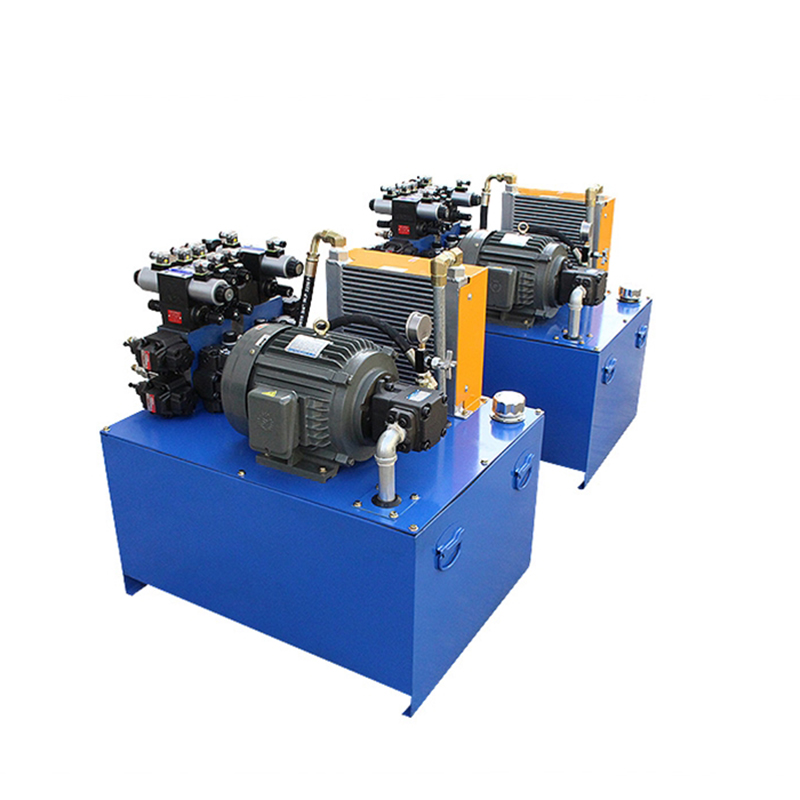
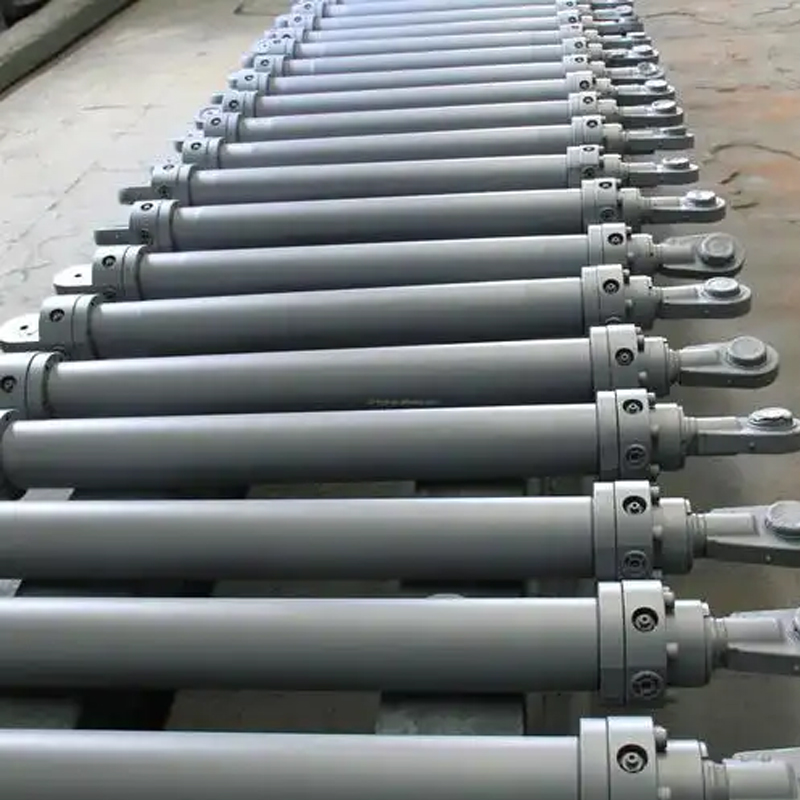
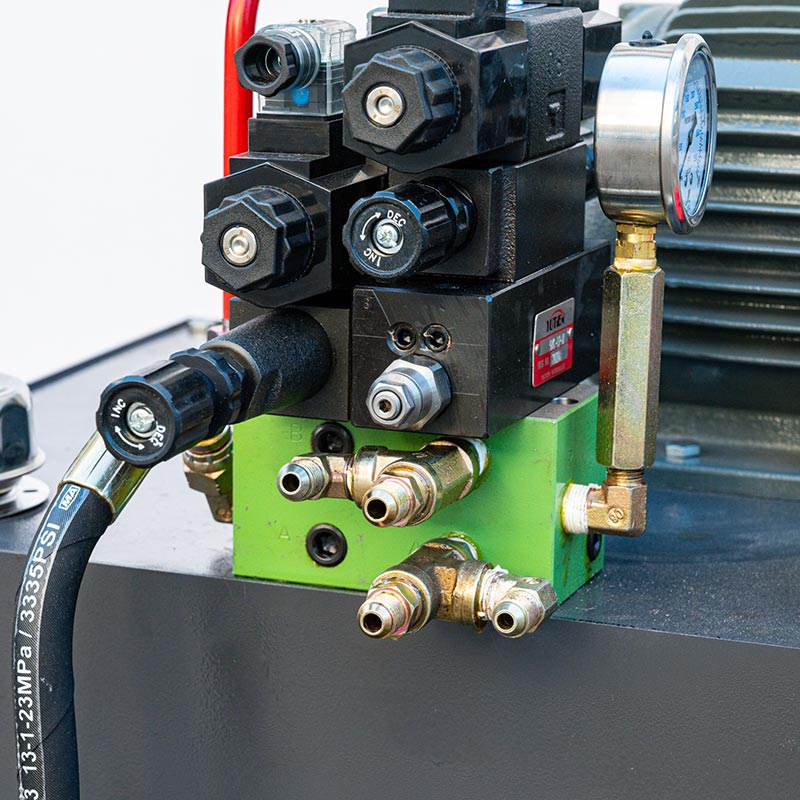
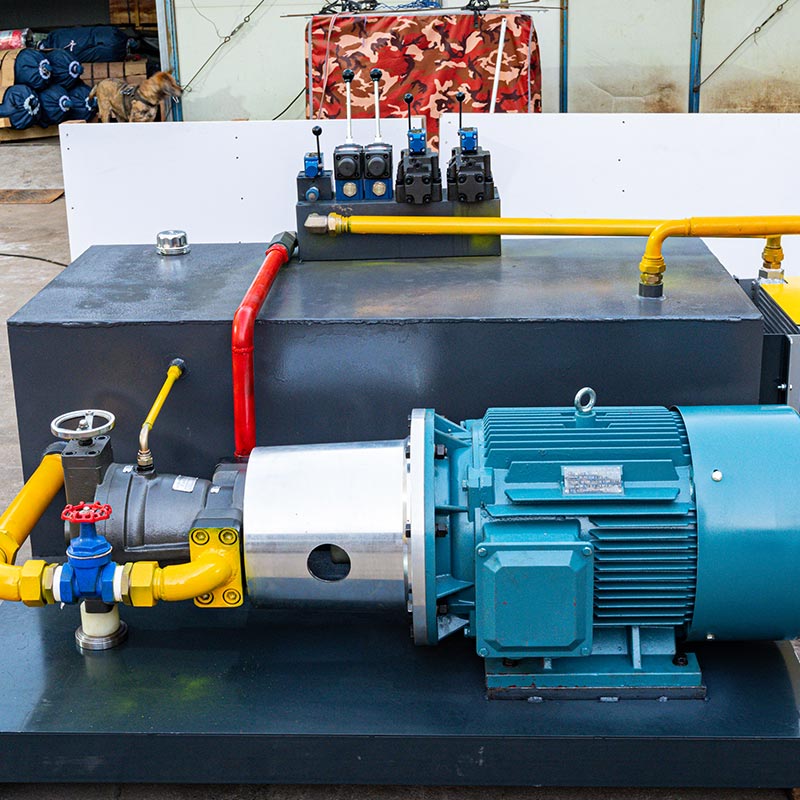
Component selection plays a critical role in system performance and durability. Key components include:
- Hydraulic pumps
- Hydraulic cylinders and actuators
- Control valves
- Hydraulic accumulators
- Filtration systems
Each component should be selected based on working pressure, flow rate, and operational reliability. Using high-quality components significantly improves system stability and reduces failure rates.
3. Optimize Pressure and Flow Matching
Balancing pressure and flow is essential for achieving efficient hydraulic performance. Designers must ensure:
- Pump output matches actuator requirements
- Pressure losses in pipelines are minimized
- Flow control provides smooth and stable movement
Improper pressure and flow matching can result in energy waste, overheating, and unstable system performance.
4. Focus on Energy Efficiency and Heat Management
Energy efficiency has become increasingly important in modern hydraulic system design. Excessive energy consumption not only increases operating costs but also generates heat that may damage system components.
Effective design strategies include:
- Selecting energy-efficient pumps and valves
- Optimizing circuit design to reduce throttling losses
- Incorporating cooling systems where necessary
- Utilizing accumulators to improve energy utilization
Proper heat management helps maintain stable oil viscosity and prolongs component service life.
5. Ensure System Cleanliness and Filtration
Contamination is one of the leading causes of hydraulic system failure. Therefore, filtration design must be carefully considered, including:
- Selecting appropriate filtration accuracy
- Installing return line and suction filters
- Designing maintenance-friendly filtration layouts
Maintaining clean hydraulic oil significantly reduces component wear and improves system reliability.
6. Consider Safety and Reliability
Hydraulic systems often operate under high pressure and heavy loads, making safety a critical design factor. Designers should include:
- Pressure relief valves and overload protection
- Emergency stop and safety control systems
- Proper sealing and leak prevention measures
- Structural strength verification of components
Reliable safety design protects both equipment and operators while minimizing operational risks.
7. Plan for Maintenance and Serviceability
A well-designed hydraulic system should allow convenient maintenance and troubleshooting. Practical design considerations include:
- Easy access to key components
- Standardized component selection
- Clear pipeline layout and labeling
- Integration of monitoring sensors for predictive maintenance
Maintenance-friendly systems reduce downtime and lower overall operating costs.
Conclusion
Hydraulic system design is a complex engineering process that requires balancing performance, efficiency, reliability, and safety. By focusing on accurate requirement analysis, proper component selection, energy optimization, contamination control, and maintainability, manufacturers and engineers can build hydraulic systems that deliver stable and long-lasting performance.
As industries continue to demand higher productivity and automation levels, advanced hydraulic system design will remain essential for achieving efficient and reliable equipment operation.