Key Factors Affecting the Accuracy and Stability of Hydraulic System Operation
Hydraulic systems are widely used in industrial automation, construction machinery, manufacturing equipment, and heavy-duty applications. In many modern industries, hydraulic systems are required to deliver precise motion control, stable force output, and reliable operational performance.
However, the accuracy of hydraulic system operation can be influenced by multiple factors, including component quality, system design, oil condition, and working environment. Understanding these key factors helps improve system efficiency, reduce errors, and extend equipment service life.
1. Hydraulic Oil Quality and Cleanliness
Hydraulic oil plays a critical role in power transmission, lubrication, and cooling. Oil contamination is one of the most common causes of reduced system accuracy.
Poor oil quality may lead to:
- Increased internal leakage
- Unstable actuator movement
- Accelerated component wear
- Reduced response speed
Maintaining proper oil cleanliness through effective filtration and regular oil replacement is essential for maintaining system accuracy and reliability.
2. Component Precision and Manufacturing Quality
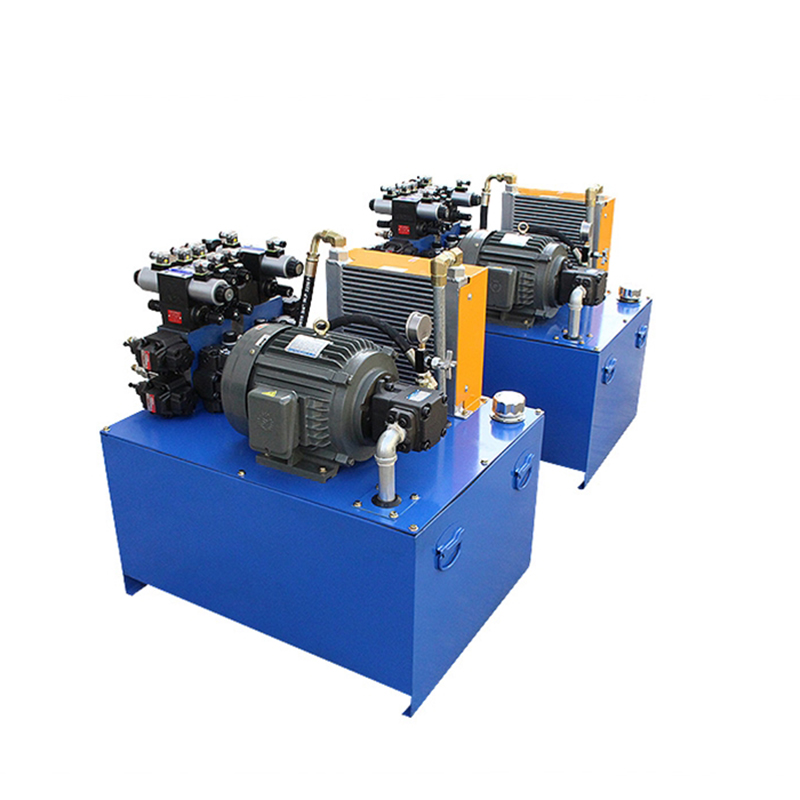
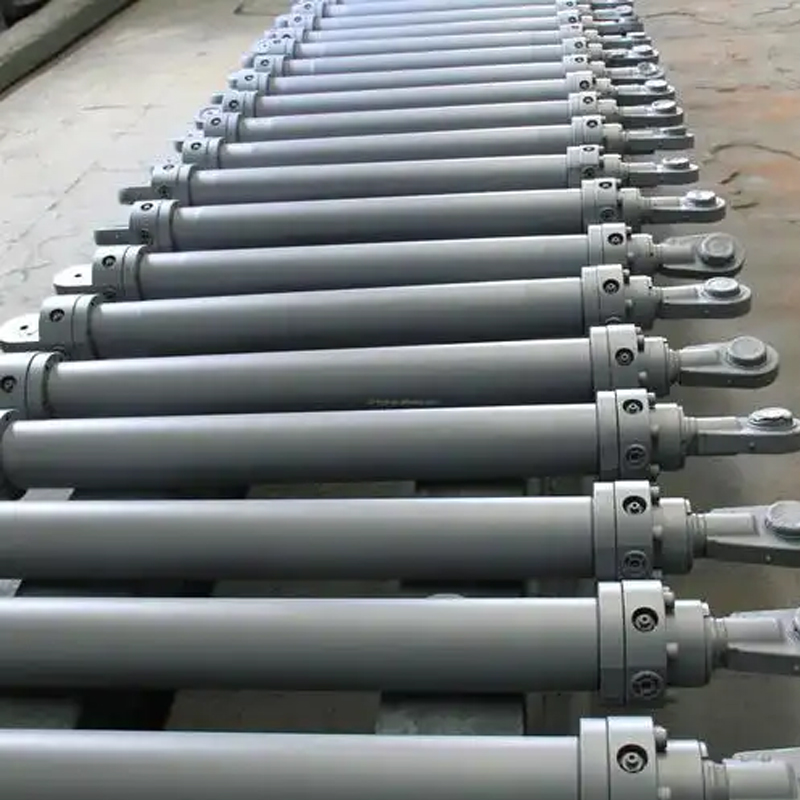
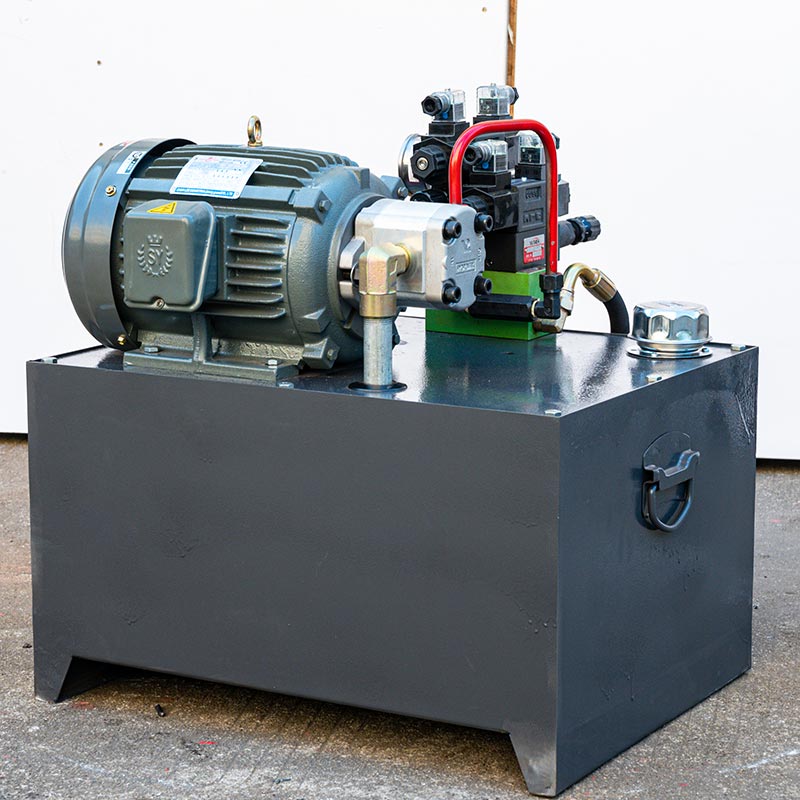
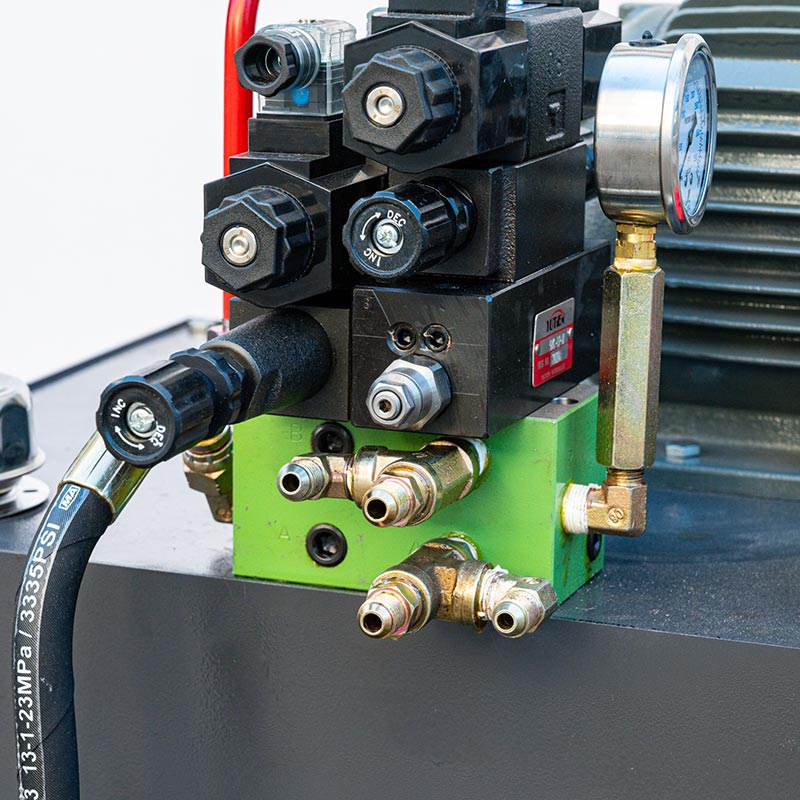
The accuracy of hydraulic systems depends heavily on the precision and quality of key components, such as:
- Hydraulic pumps
- Control valves
- Hydraulic cylinders
- Sealing elements
Low-quality or poorly manufactured components may cause pressure fluctuations, leakage, and inconsistent motion control. High-precision manufacturing and strict quality control help ensure stable and accurate system performance.
3. System Pressure and Flow Stability
Accurate hydraulic system operation requires stable pressure and flow control. Pressure fluctuations or inconsistent flow rates can result in:
- Irregular actuator movement
- Reduced positioning accuracy
- Increased vibration and noise
Proper pump selection, optimized circuit design, and effective flow control devices are important for maintaining stable system performance.
4. Temperature Control and Thermal Effects
Temperature changes can significantly affect hydraulic system accuracy. High temperatures may reduce oil viscosity, weaken sealing performance, and increase leakage, while extremely low temperatures may increase oil resistance and reduce system responsiveness.
Effective cooling systems and proper temperature management help maintain consistent hydraulic performance.
5. Mechanical Alignment and Load Conditions
Incorrect installation or misalignment between hydraulic cylinders and loads can introduce side forces and uneven wear. These issues may lead to:
- Reduced positioning accuracy
- Increased component stress
- Shortened service life
Proper mechanical alignment and load distribution are essential for achieving accurate and stable hydraulic motion.
6. Air Entrapment in the Hydraulic System
Air trapped inside the hydraulic circuit can cause compressibility issues, leading to unstable movement and delayed system response. This may result in:
- Cylinder creeping or jerky motion
- Reduced control accuracy
- Increased system noise
Proper system bleeding procedures and leak prevention measures help minimize air contamination.
7. Maintenance and Monitoring Practices
Regular inspection and maintenance are critical for maintaining hydraulic system accuracy. Monitoring system performance indicators such as pressure, temperature, and movement stability allows early detection of potential issues and helps prevent unexpected equipment failure.
Conclusion
Hydraulic system accuracy is influenced by multiple interrelated factors, including oil cleanliness, component quality, pressure stability, temperature control, and mechanical alignment. By addressing these factors through proper system design, component selection, and maintenance practices, users can significantly improve operational precision and equipment reliability.
As industries increasingly demand higher levels of automation and performance, maintaining accurate and stable hydraulic system operation has become more important than ever.