Hydraulic Cylinder Selection Guide: How to Choose the Right Power Solution for Your Equipment
Hydraulic Cylinder Selection Guide:
How to Choose the Right Power Solution for Your Equipment
Hydraulic cylinders play a critical role in modern industrial equipment, acting as the core component that converts hydraulic energy into powerful mechanical force. From construction machinery and manufacturing lines to automation systems and heavy-duty equipment, selecting the right hydraulic cylinder is essential for ensuring performance, efficiency, and long-term reliability.
This guide outlines the key factors to consider when selecting a hydraulic cylinder, helping you match the right solution to your specific application.
1. Define the Application and Working Conditions
Before selecting a hydraulic cylinder, it is important to clearly understand the operating environment and application requirements, including:
- Load capacity and required force
- Working pressure
- Stroke length
- Operating frequency and speed
- Ambient conditions (temperature, dust, humidity, corrosion)
Accurate evaluation of these factors ensures the cylinder can perform reliably under real working conditions.
2. Choose the Right Cylinder Type
Different applications require different types of hydraulic cylinders. Common options include:
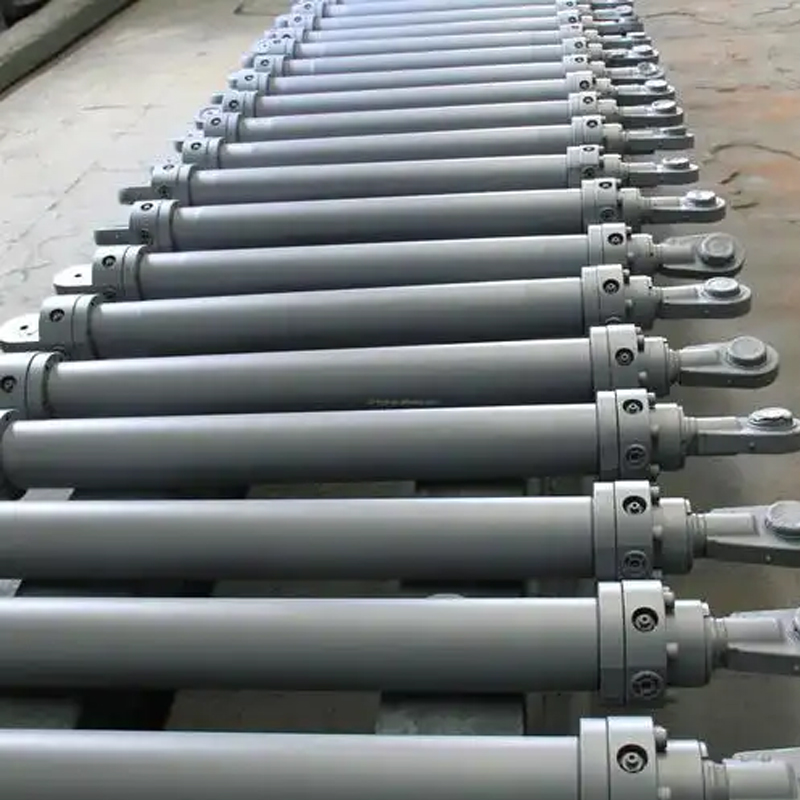
- Single-acting cylinders – Suitable for simple lifting or pushing operations
- Double-acting cylinders – Provide controlled motion in both directions
- Tie-rod cylinders – Easy to maintain and widely used in industrial systems
- Welded cylinders – Ideal for heavy-duty and high-pressure applications
- Custom cylinders – Designed for special structures or installation constraints
Selecting the appropriate structure improves system efficiency and reduces maintenance costs.
3. Determine Bore Size, Rod Diameter, and Stroke
The bore size directly affects output force, while the rod diameter influences stability and resistance to buckling. Stroke length should be carefully calculated based on actual movement requirements.
An oversized cylinder may increase costs, while an undersized one can lead to performance issues or premature failure. Proper calculation ensures optimal balance between power and durability.
4. Select Suitable Seals and Materials
Seal performance is critical to preventing leakage and maintaining pressure. High-quality seals and surface treatments help extend service life, especially in harsh environments.
Material selection for the cylinder tube, piston rod, and end caps should also consider corrosion resistance, wear resistance, and long-term reliability.
5. Consider Mounting Style and Installation Space
Mounting configuration affects both performance and service life. Common mounting options include flange mounting, clevis mounting, trunnion mounting, and foot mounting.
The correct mounting style minimizes side load, reduces wear, and ensures smooth operation throughout the cylinder’s life cycle.
6. Focus on Quality, Standards, and Compliance
For international markets, compliance with recognized standards such as ISO and relevant industry certifications is essential. High-quality manufacturing processes, pressure testing, and traceable quality control provide added assurance for global customers.
Conclusion
Selecting the right hydraulic cylinder is not just about force—it is about efficiency, reliability, and long-term value. A well-matched hydraulic cylinder can significantly improve equipment performance, reduce downtime, and lower maintenance costs.
By carefully evaluating application requirements and working with an experienced hydraulic manufacturer, you can ensure your equipment is powered by a hydraulic solution designed for lasting performance.